







Description
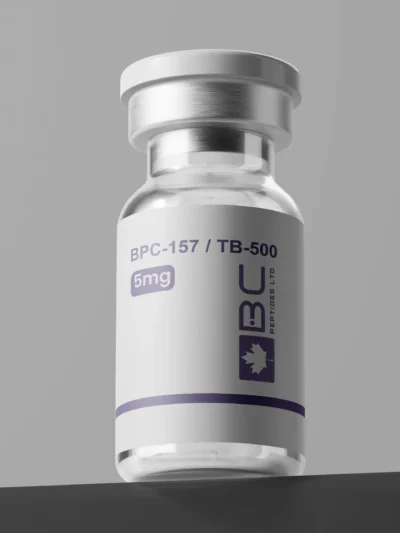
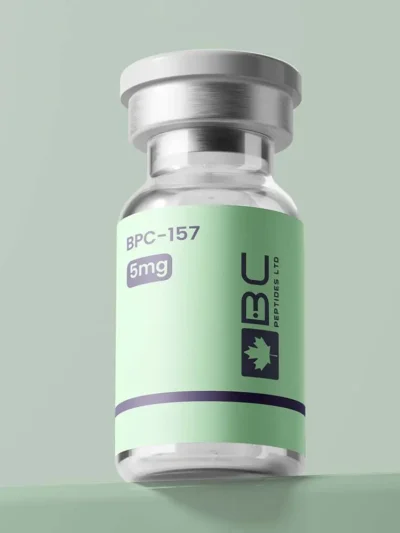
Thymosin Beta-4 (Tβ4) is a 43-amino acid peptide that is endogenous to nearly all human cells, found in particularly high concentrations in blood platelets and wound fluid. TB-500 specifically refers to the synthetic version or, more accurately in a research context, the 7-12 segment of the Tβ4 molecule, which is identified as the minimal sequence required for its regenerative activities.
-
Molecular Weight: Approximately 4.9 kDa (full Tβ4).
-
Sequence: The active domain responsible for actin binding and cell migration is the Ac-Ser-Arg-Lys-Glu-Thr-Ile-Glu-Gln-Glu-Lys-Gln-Ala-Gly-Glu-Ser fragment.
2. Primary Mechanism: Actin Polymerization
The fundamental biological function of TB-500 is the regulation of Actin, a structural protein essential for cell shape and movement.
- G-Actin Sequestering: TB-500 binds to monomeric actin (G-actin) in a 1:1 ratio. By sequestering G-actin, it maintains a pool of unpolymerized monomers that the cell can rapidly deploy to build filamentous actin (F-actin).
- Cell Migration: By modulating the cytoskeleton, TB-500 facilitates chemotaxis—the movement of cells (such as keratinocytes, fibroblasts, and endothelial cells) to the site of an injury. This is the primary reason the peptide is systemic; it signals repair cells to migrate through tissues to reach damaged areas.
3. Angiogenesis and Tissue Repair
Beyond structural regulation, TB-500 functions as a potent signaling molecule in the wound-healing cascade:
- Vascular Endothelial Growth Factor (VEGF): TB-500 upregulates the expression of VEGF, stimulating angiogenesis (the formation of new blood vessels). Increased micro-vessel density ensures that oxygen and nutrients are delivered to ischemic or damaged tissues.
- Dermal and Musculoskeletal Repair: It promotes the differentiation of stem cells and enhances the deposition of collagen. Unlike many growth factors, TB-500 is unique because it promotes the migration of cells without causing them to adhere too strongly to the matrix, which helps prevent the formation of restrictive fibrosis (scar tissue).
- Anti-Apoptotic Effects: It exhibits cytoprotective properties by reducing the rate of programmed cell death (apoptosis) in damaged tissues, particularly in the myocardium and neural pathways.
4. Pharmacokinetics (PK)
Due to its low molecular weight and high solubility, TB-500 possesses distinct pharmacokinetic advantages:
| Parameter | Clinical Observation |
| Route of Administration | Subcutaneous or Intramuscular (not orally bioavailable) |
| Systemic Diffusion | High; penetrates tissues easily due to low molecular weight |
| Half-life | Approximately 1.8 to 2.1 hours in plasma, but biological effects persist for days |
| Metabolism | Rapidly degraded by endopeptidases into smaller peptide fragments |
5. Clinical Research & Applications
While not currently FDA-approved for human use, TB-500 has been extensively studied in several regenerative fields:
- Cardiology: Investigated for its ability to repair cardiac tissue following myocardial infarction by activating “quiescent” progenitor cells.
- Ophthalmology: Studied for the treatment of corneal epithelial defects and persistent “non-healing” ulcers.
- Sports Medicine: Widely researched for its efficacy in repairing chronic tendon, ligament, and muscle tears where traditional blood flow is limited.