




Description
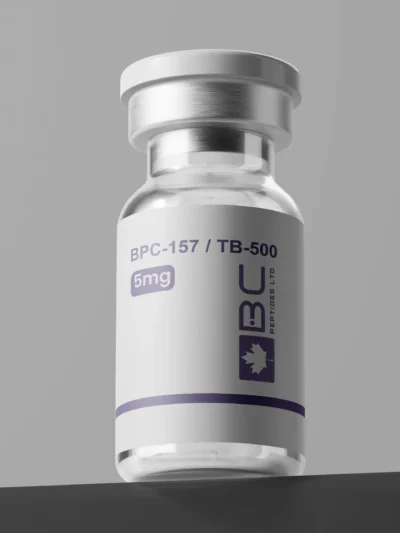
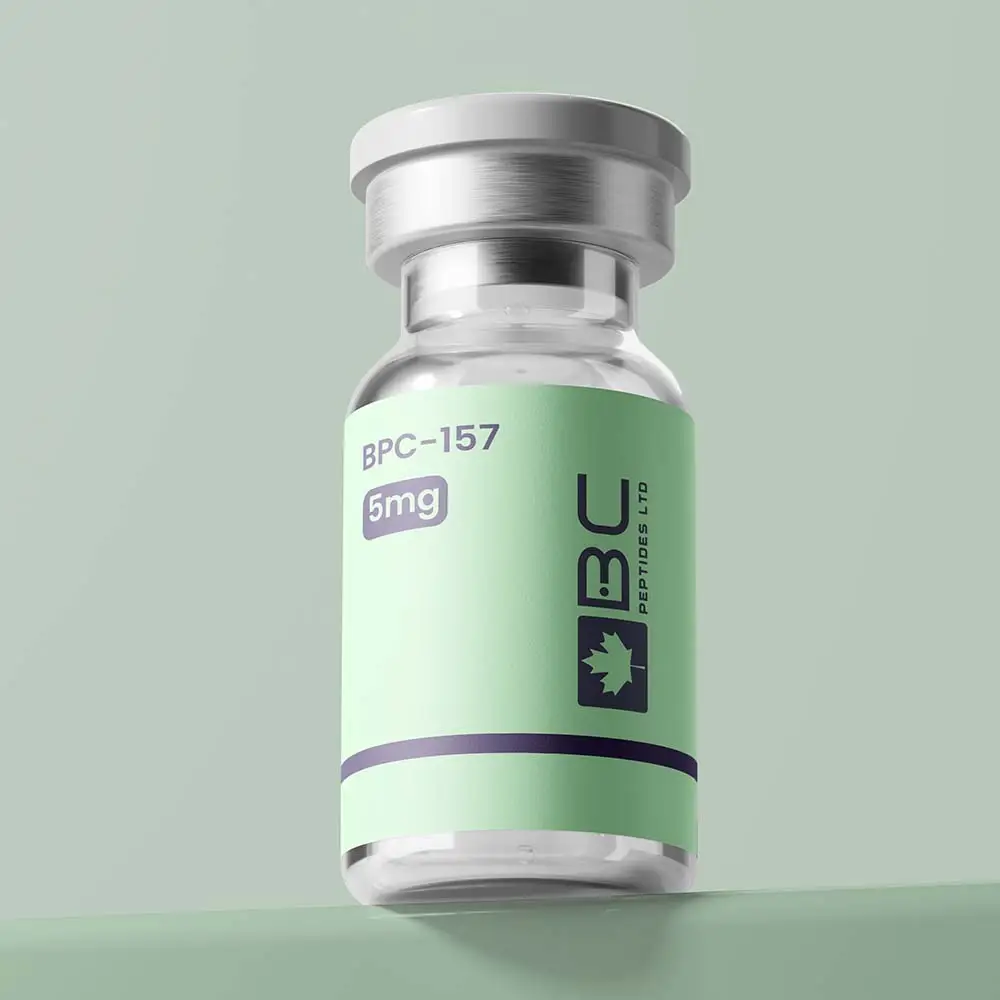
BPC-157 (Body Protection Compound 157) is a pentadecapeptide—a 15-amino acid sequence—derived from a larger, protective protein found naturally in human gastric juice.
Technically referred to as Bepecin, its primary physiological role is the orchestration of systemic soft tissue regeneration and the maintenance of mucosal integrity.
1. Molecular Structure and Stability
BPC-157 is a partial sequence of the human gastric body protection compound, with the molecular formula $C_{62}H_{98}N_{16}O_{22}$. Unlike most peptides, which are highly susceptible to enzymatic degradation, BPC-157 is remarkably stable.
-
Resistance: It remains stable in human gastric juice for more than 24 hours, resisting degradation by pepsin and other digestive enzymes.
-
Bioavailability: This stability makes it one of the few peptides that is orally bioavailable, allowing it to exert systemic effects even when ingested.
2. Primary Mechanism: Angiogenesis and VEGF
The hallmark of BPC-157’s regenerative capacity is its ability to trigger angiogenesis—the physiological process through which new blood vessels form from pre-existing ones.
-
Upregulation of VEGF: BPC-157 significantly increases the expression of Vascular Endothelial Growth Factor (VEGF), specifically the VEGF-A isoform. This is critical for healing “white tissue” (tendons and ligaments) which naturally suffer from poor vascularity.
-
EGR-1 Expression: It induces the expression of Early Growth Response-1, a transcription factor responsible for cytokine and growth factor production during the early stages of tissue repair.
-
Nitric Oxide (NO) Pathway: It modulates the nitric oxide system, protecting the endothelium (vessel lining) and regulating blood flow to the site of injury.
3. Fibroblast Migration and Collagen Synthesis
For musculoskeletal repair, BPC-157 acts on the cellular architecture of the injury site:
- Fibroblast Activation: It promotes the survival and migration of fibroblasts—the cells responsible for creating the extracellular matrix (ECM).
- F-Actin Formation: BPC-157 induces the formation of F-actin, which is essential for cell spread and movement, allowing repair cells to physically reach and close a wound or tear.
- Collagen Organization: Research indicates that BPC-157 doesn’t just stimulate collagen; it helps organize the fibers into a more functional, linear pattern, reducing the formation of disorganized, weak scar tissue.
4. Cytoprotective and Gastrointestinal Effects
Because it is derived from gastric juice, BPC-157 exhibits profound cytoprotective (cell-protecting) properties within the digestive tract:
- The “BPC-157/NO” Axis: It maintains the integrity of the gastrointestinal mucosal barrier by interacting with the Nitric Oxide system, preventing ulcers caused by NSAIDs (like Aspirin) or alcohol.
- Anti-Inflammatory Action: It modulates various inflammatory mediators (such as TNF-alpha and IL-6), creating a more “pro-healing” environment rather than a “pro-inflammatory” one.
5. Pharmacokinetics (PK) Summary
| Parameter | Clinical Observation |
| Sequence | Gly-Pro-Pro-Leu-Pro-Asp-Glu-Arg-Pro-Arg-Gly-Trp-Asp-Ser-Ala-Leu |
| Half-Life | Short in plasma (~30 mins), but biological effects persist for hours |
| Routes | Oral, Subcutaneous, Intramuscular, or Topical |
| Stability | High; resistant to gastric acids and hydrolysis |
6. Research and Therapeutic Potential
While currently classified as a research chemical and not FDA-approved for human use, BPC-157 is extensively studied in animal and in vitro models for:
- Tendon-to-Bone Healing: Significantly accelerating the reattachment of ligaments to bone.
- IBD & Crohn’s: Reversing intestinal damage and restoring tight junction function.
- Neurological Recovery: Protecting against CNS damage and promoting nerve regeneration following crush injuries.