



Description
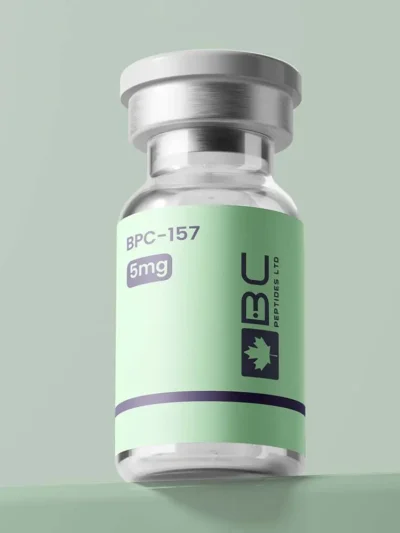
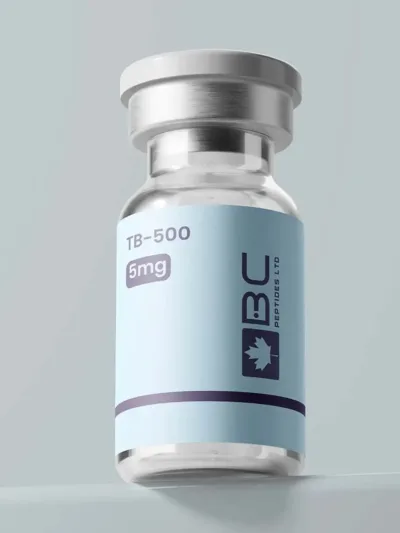
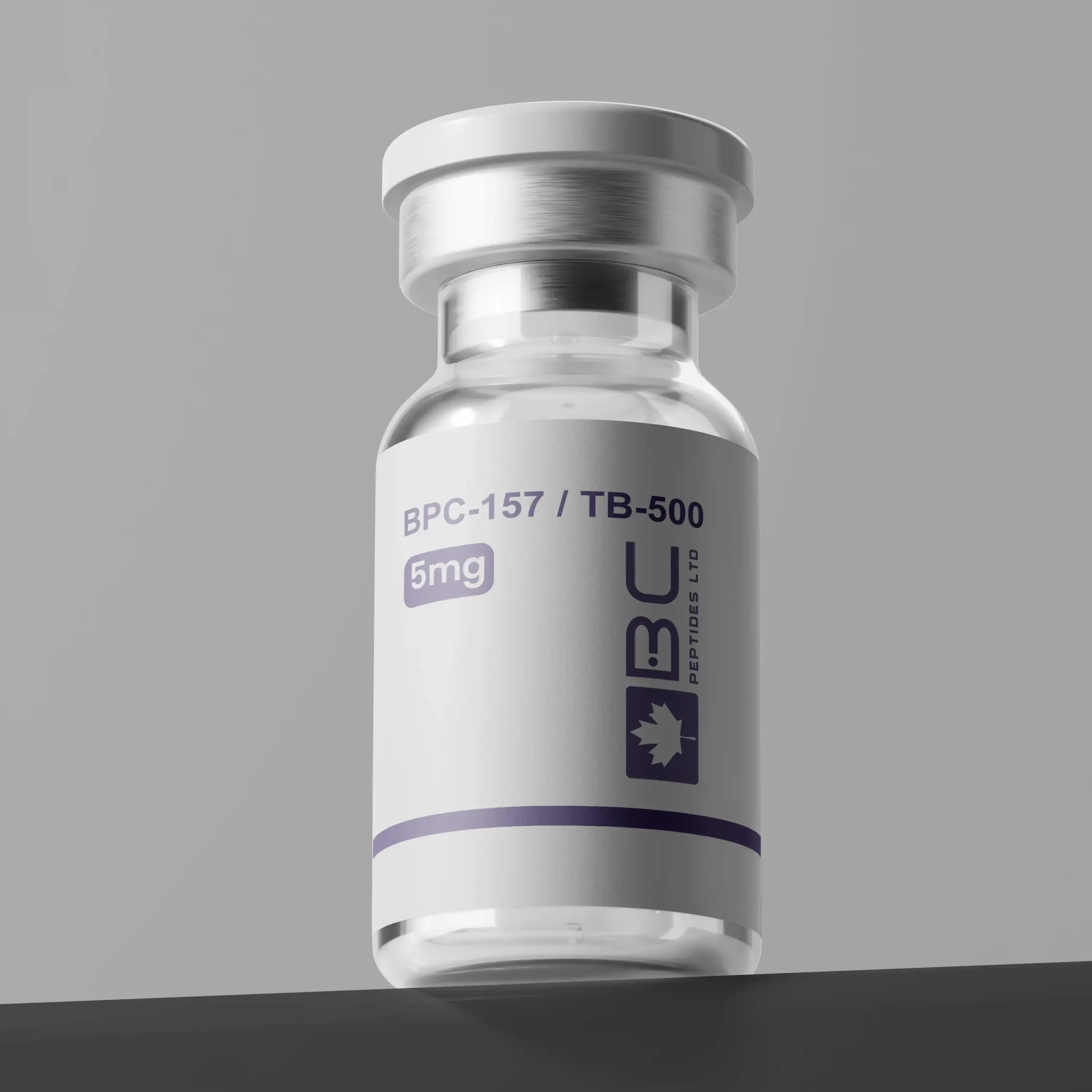
The combination of BPC-157 (Body Protection Compound-157) and TB-500 (a synthetic fraction of Thymosin Beta-4) represents a synergistic approach to regenerative pharmacology. While both are pleiotropic peptides, they operate through distinct yet complementary molecular pathways to facilitate tissue repair.
Molecular Profiles & Mechanisms
BPC-157 (Pentadecapeptide)
BPC-157 is a 15-amino acid peptide derived from human gastric juice. Its primary mechanism of action involves the upregulation of Growth Factors and the modulation of the nitric oxide (NO) pathway.
- Angiogenesis: It promotes the expression of VEGFR2 (Vascular Endothelial Growth Factor Receptor 2), triggering the formation of new blood vessels.
- Fibroblast Activation: It enhances the survival and migration of fibroblasts, which are critical for collagen synthesis in tendons and ligaments.
- Cytoprotection: It acts as an anti-inflammatory agent by modulating the “gut-brain-axis” and reducing oxidative stress.
TB-500 (Thymosin Beta-4 Derivative)
TB-500 is a synthetic version of the active region of Thymosin $\beta_4$. Its primary role is the regulation of Actin, a protein vital for cell structure and movement.
- Cellular Migration: By sequestering G-actin (globular actin), TB-500 facilitates the movement of progenitor cells to the site of an injury.
- Tissue Remodeling: It plays a significant role in the differentiation of myofibroblasts and the deposition of the extracellular matrix (ECM).
- Vasculogenesis: Unlike BPC-157 which repairs existing vessels, TB-500 is highly effective at promoting the growth of new capillary sprouts from pre-existing vessels.
The Synergistic “Blend” Effect
When administered in tandem, these peptides provide a dual-stage recovery environment:
- The Structural Phase (BPC-157): Focuses on the immediate stabilization of the wound site, reducing acute inflammation, and strengthening the collagen matrix.
- The Regenerative Phase (TB-500): Accelerates the recruitment of repair cells and ensures the new tissue is well-vascularized (supplied with blood), preventing the formation of brittle scar tissue.
Technical Summary Table
| Feature | BPC-157 | TB-500 |
| Primary Target | Growth Factor Receptors | Actin Polymerization |
| Key Benefit | Tendon/Ligament Integrity | Muscle & Soft Tissue Flexibility |
| Anti-Inflammatory | Strong (Systemic) | Moderate (Localized) |
| Molecular Weight | ~1.4 kDa | ~4.9 kDa |
Research Applications
In a laboratory setting, this blend is frequently studied for its efficacy in treating grade II and III musculoskeletal tears, chronic tendinopathy, and ischemic tissue damage. The combination is hypothesized to reduce “recovery lag” by bypassing the body’s standard rate-limiting steps in protein synthesis and cellular recruitment.